A telescope in Chile has captured a stunning new picture of a grand and graceful cosmic butterfly.
The National Science Foundation's NoirLab released the picture on Wednesday. The glowing "wings" appear to be bursting in the image. While the bipolar nebula goes by the monikers Butterfly Nebula, Bug Nebula or Caldwell 69, its official name is NGC 6302.

Snapped last month by the Gemini South telescope — half of the International Gemini Observatory on Cerro Pachón, a mountain in Central Chile — the aptly named Butterfly Nebula is 2,500 to 3,800 light-years away in the constellation Scorpius. A single light-year is 6 trillion miles.
At the heart of this bipolar nebula is a white dwarf star that cast aside its outer layers of gas long ago. The discarded gas forms the butterfly-like wings billowing from the aging star, whose heat causes the gas to glow.
Students in Chile chose this astronomical target to celebrate 25 years of operation by the International Gemini Observatory.
"This picturesque object was chosen as a target for the 8.1-meter [26.5-foot] telescope by students in Chile as part of the Gemini First Light Anniversary Image Contest," NoirLab wrote on its website. "The contest engaged students in the host locations of the Gemini telescopes to celebrate the legacy that the International Gemini Observatory has built since its completion, marked by Gemini South's First Light in November 2000."
It's not known exactly when NGC 6302 was discovered, NoirLab says, but a 1907 study by American astronomer Edward E. Barnard is often credited. Scottish astronomer James Dunlop could also have discovered it in 1826.
Trump reacts to National Guard shooting in D.C. as details emerge about Afghan suspect
FDNY commissioner says faith is factor in leaving role after Mamdani win: "Emotional decision"
House Speaker Mike Johnson says House GOP does not want to extend health care subsidies: sources
LATEST POSTS
- 1
 Instructions to Upgrade the Security Elements of Your Kona SUV
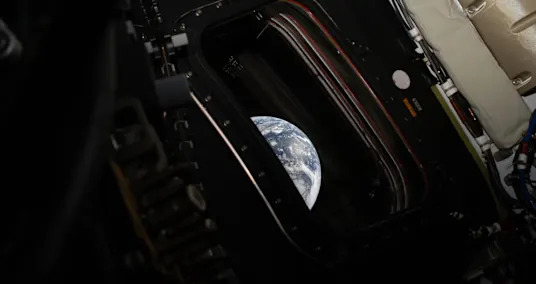
 - 2See the 'amazing' photos of Earth taken on historic Artemis II moon mission
- 3Figure out How to Analyze Medical attendant Compensation Patterns Across Different Specializations
- 4Science is best communicated through identity and culture – how researchers are ensuring STEM serves their communities
- 5Paratroopers kill terrorist who threw rocks at Israeli citizens, soldiers near Ofra in West Bank



- December's overlooked meteor shower peaks next week — will the Ursids surprise us?
- Flourishing in a Cutthroat Work Market: Vocation Methodologies
- Figure out How to Clean and Really focus on Your Lab Jewel
- Flat Earth, spirits and conspiracy theories – experience can shape even extraordinary beliefs
- Apartment Turned Into Nightmare 'Ice Castle' After Tenant Shut Off Heat Causing Pipes to Burst: VIDEO
- First Phosphate advances battery-grade phosphate project as analysts highlight strategic Federal support
- Everyday Seasonal Positions That Compensate Fairly in the US
- A company is trying to unlock a key to aging, in a long-overlooked body part
- Popular Japanese Hotel Chain Now Lets You Show Up With Just Your Passport